The Lovers vs The Hierophant in Marriage Tarot Readings
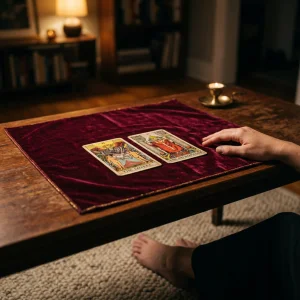
It's 2:14 AM. The ceiling fan hums a low, erratic rhythm while your phone screen sits dark on the nightstand. You're sitting barefoot on the living room rug, staring at a wooden coffee table where two Major Arcana cards rest side by side. Your chest feels tight. Maybe you two fought about money again, or maybe the silence between you over dinner felt five miles wide.
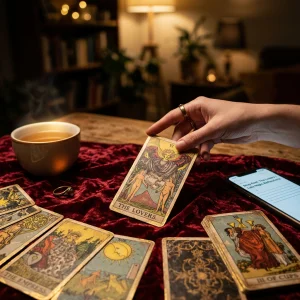
When panic sets in, scrolling social media makes your mind spin faster. That's why you reached for a physical deck. Shuffling thick, 350gsm cardstock brings your racing heart down to earth. The tactile resistance of the cards under your thumbs forces your breathing to sync with your hands. When you lay down our Classic Velvet Tarot Mat and cut the deck, you aren't looking for fortune-telling magic. You're looking for an honest mirror.
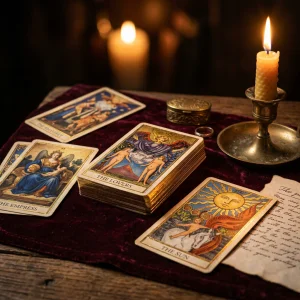
Tonight, two specific figures staring back at you demand attention: VI and V. The Lovers and The Hierophant. They often show up when a relationship reaches a pivot point. People assume they mean the same thing because both deal with union. They don't.
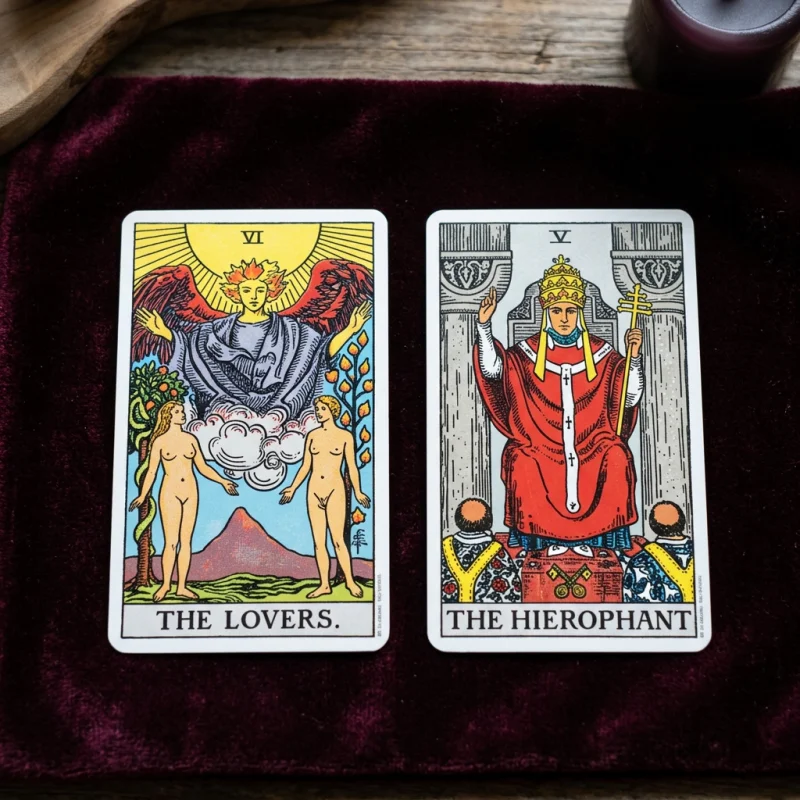
Understanding The Lovers: Passion, Choice, and Raw Alignment
Look closely at VI. The Lovers tarot card love meaning centers on conscious choice, individual desire, and raw emotional nakedness. In a relationship, this card doesn't just mean falling in love. It represents the moment two distinct individuals look at each other without masks and say, "I choose you over all other options."
Last month, my friend Sarah pulled this card while trying to decide if she and her partner were ready to buy a house together. They had been arguing for weeks about location. When she looked at The Lovers, she realized the argument wasn't about property values. It was about whether they were still actively choosing the same vision of the future. The Lovers demands personal responsibility. It asks if your soul is aligned with your current bond, or if you're staying out of habit.
- Authentic vulnerability without hidden agendas
- Mutual attraction that extends beyond physical intimacy into shared personal values
- A distinct crossroads where an individual decision changes the relationship
Understanding The Hierophant: Structure, Tradition, and Sacred Vows
Move your eyes to Card V. It sits upright, quiet and solemn. The Hierophant tarot card love meaning focuses on institutional commitment, shared tradition, and long-term stability. While The Lovers is the spark and the personal choice, The Hierophant is the sturdy house built to protect that spark from blowing out in a storm.
This card represents traditional marriage tarot themes. It shows up when a marriage relies on formal structures: legal contracts, joint bank accounts, family expectations, or religious vows. Sometimes it feels heavy. If you're going through a rough patch, seeing Card V suggests that sticking to established systems, marriage counseling, or traditional advice will give you the footing you need.
Think of it as the spine of a relationship. It isn't romantic in the Hollywood sense. It's paying the mortgage on time, showing up for holiday dinners with in-laws, and keeping the promises you made when things were easy.
Comparing Both Cards in a Marriage Tarot Spread
When both cards appear together in a marriage tarot spread, pay attention to their positions. Their interaction reveals exactly where your partnership holds tension.
If The Lovers appears in the present position and The Hierophant in the outcome, your raw connection is strong, but you need structure. You might need to talk about clear boundaries, legal arrangements, or shared household routines. Passion brought you together; structure will keep you safe.
Reverse those positions. If The Hierophant sits in the past and The Lovers in the outcome, the dynamic flips. You've built a solid structure, but the personal spark has dulled. You are acting like business partners managing a household rather than lovers sharing a life. The cards are telling you to choose each other again, intentionally and passionately.
Understanding these tarot card meanings for love helps you stop guessing what's broken. It shifts your perspective from emotional panic to clear action.
A Practical Four-Card Layout for Couples
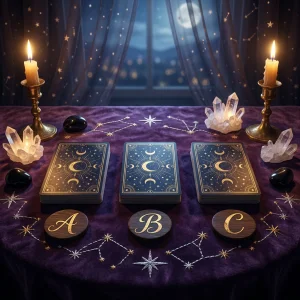
You don't need a complex ten-card layout at 2 AM. Keep it simple. Clear your table, smooth down your reading cloth, and pull four cards using this straightforward structure:
- Card 1 (The Root): The current emotional state of your partnership.
- Card 2 (The Structural Pillar): What traditional commitments or routines are keeping you grounded (Hierophant energy).
- Card 3 (The Personal Choice): What emotional honesties or choices need addressing (Lovers energy).
- Card 4 (The Path Forward): The next concrete step to strengthen the bond.
Take out your journal. Write down what you see before checking any guidebook. Trust your initial visceral reaction to the images on the cardstock.
What if I pull these cards when my spouse refuses to do a tarot reading with me?
You don't need your partner sitting across from you for a reading to work. When you shuffle and lay out cards alone, you're examining your own perspective, reactions, and choices within the marriage. Changing how you respond to daily friction often shifts the whole dynamic in your home without forcing them to participate.
Does drawing The Hierophant mean my marriage is becoming boring or cold?
Not at all. It usually means your relationship is transitioning into a phase where predictability and structure keep you safe. Routines can feel dry if you crave high drama, but stability gives you the safety net required to explore deeper emotional intimacy without fear of things falling apart.
Can a single tarot spread really help us fix serious long-term marital issues?
Cards are mirrors, not magic wands. Laying out a spread won't magically solve deep-seated issues like financial strain or broken trust overnight. What it does is give you concrete visual cues so you can stop having vague, emotional arguments and start having specific, calm conversations about what needs to change.